It’s understandable to want clear answers about both the operation and the time away from home. Recovery can involve swelling, bruising and tenderness, and a compression garment is commonly part of aftercare; the pace varies with the areas treated and your individual procedure.
This guide explains how VASER liposuction in Turkey works, what recovery may involve and how long international patients are generally advised to stay in the country after surgery. It also covers when liposuction may be combined with a tummy tuck or fat transfer, and why the right approach depends on the changes being addressed. The aim is to help you understand the procedure as a considered body-contouring plan, not simply a way to remove fat.
What Is VASER® Liposuction And How Does It Work?
VASER liposuction uses ultrasound energy to loosen and emulsify targeted fat before a surgeon removes it through a thin cannula. Unlike traditional liposuction, VASER adds an ultrasound step before suction. Both techniques remove fat through cannulas, but the approach and treatment plan differ.
The technology uses ultrasonic waves at about 36 kHz. A surgeon makes small access incisions, guides a probe through the targeted area, then suctions away the loosened fat. VASER liposuction in Turkey is intended for body contouring, not significant weight loss, so the aim is to refine specific areas rather than reduce overall body weight.
Suitability depends on health, weight stability and skin quality. Typical candidates are adults over 18 who are near a stable, healthy weight and have stubborn fat pockets. A BMI generally under 30 is described as typical, while many surgeons will not perform the procedure above a BMI of about 35. Smoking and electronic cigarette use should stop at least 3 weeks before surgery. Significant skin laxity may need additional treatment because fat removal alone does not tighten excess skin.
Area selection shapes the contouring plan. A surgeon may treat up to four areas in one operation, depending on suitability and requirements. Lipo 360 means circumferential midsection treatment, not a separate technology; the areas may include the abdomen, flanks, upper and lower back, and bra-line region. HD or Hi-Def liposuction is an artistic technique intended to reveal underlying muscle definition. “4D” and similar labels describe contouring approaches, so the consultation should clarify which areas and goals they refer to.
Potential complications include infection, temporary numbness, uneven contours and fluid accumulation. Swelling, bruising and tenderness can also occur during recovery. VASER may be performed under local or general anaesthesia, depending on the areas and extent of treatment. It is not suitable for every body shape or health profile. Fat removal does not address loose skin or replace weight-loss treatment.
Cost varies with the number and size of treated areas, the complexity of the contouring plan, anaesthesia and whether procedures are combined. The price depends on the case and is given after a quote request. For example, a single area and a circumferential 360 liposuction treatment involve different surgical scopes, so the treatment plan determines the package rather than the VASER name alone.
Recovery timeline and compression garments
Recovery after VASER liposuction happens in stages, from early swelling to gradual changes in contour. Planning for work, travel and exercise can make each stage easier to manage.
Recovery Timeline and Final Results
The recovery timeline describes how symptoms ease and body contouring becomes clearer after surgery. Swelling, bruising and tenderness usually decrease significantly within 1 to 2 weeks, although temporary numbness or swelling can last a few weeks. Final results may take 3-6 months to become fully visible. This gradual change matters: early swelling can obscure the treated areas, so allow time before judging the outcome.
Compression Garments During Recovery
A compression garment supports the treated areas while swelling settles and the body heals. Recommendations commonly range from 2 to 3 weeks after surgery to 4 to 6 weeks after surgery, depending on the treatment plan. Follow the surgeon’s specific instructions on fit, daily wear and removal. A garment that is uncomfortable or difficult to manage should be raised during follow-up, rather than adjusted without guidance.
Returning to Work and Exercise
Return to desk work may be possible 3 to 5 days after surgery, depending on comfort and the extent of treatment. Light physical activity is usually possible after about one week, while strenuous exercise is commonly avoided for at least 1 month. These are different milestones: feeling able to walk does not mean the body is ready for intense training or heavy lifting.
Recovery planning is particularly important for international patients. Before booking, ask the clinic how follow-up checks fit the travel schedule, which symptoms need prompt medical attention and how long you should wear a compression garment for the planned treatment areas. Clarify who will provide postoperative instructions and how concerns will be handled after you return home. These details help you coordinate travel, work leave and aftercare.
Ultrasound energy changes how fat is loosened during VASER treatment, but it does not eliminate the need for recovery. The number of areas treated and the extent of contouring affect swelling and activity limits. Treating the abdomen alone may involve different practical demands from circumferential treatment of the abdomen, flanks and back.
Plan your return to desk work, light movement and exercise as separate stages. Follow the surgeon’s postoperative instructions for each transition, especially if swelling, bruising or tenderness persists. The final contour develops over months, not days. Taking photographs at consistent intervals can help you track changes without mistaking early swelling for the settled result.
How long international patients should stay in Turkey
International patients having VASER liposuction in Turkey are generally advised to stay for several days after surgery. This allows time for postoperative review before travelling home.
Planning the Length of Your Stay
Planning means allowing enough time in Turkey for recovery checks before flying home. International patients are advised to stay for about 5-7 days after surgery, while many can fly home 5 or 6 days after liposuction following a final check-up. The suitable timing depends on the treated areas, tissue response and the surgeon’s assessment, so build the review into travel arrangements.
Patient Journey and Hospital Arrangements
The patient journey typically involves a preoperative assessment, surgery, hospital observation and a follow-up review. A liposuction stay may include one night in hospital; some patients leave the same day or the following day, depending on the treatment areas and their suitability. Plan transfers between the airport, accommodation and hospital around the clinical schedule. Discharge does not necessarily mean you are immediately fit to travel.
Turkey can be a practical destination for international patients seeking body contouring, but the clinical schedule should shape the itinerary. Ultrasound energy loosens targeted fat, and the body still needs time to recover after surgery. Arrange accommodation and return travel flexibly, particularly if treatment covers a broad area such as the abdomen, flanks and back.
For international patients travelling to Turkey, a clear follow-up plan matters as much as the initial hospital stay. Before surgery, understand who will review your recovery, when the final in-person check will take place and how you will receive postoperative instructions. Keep your discharge details and contact arrangements accessible during the return journey. These steps help connect hospital care with recovery after you leave the country.
Turkey’s health-tourism regulations require facilities treating international patients to hold Ministry of Health authorisation. When selecting a facility, make sure the treatment plan is explained before you give consent: the planned areas, hospital arrangements, risks and aftercare instructions should be clear in a language you understand. Keep copies of your consent and discharge documents to support continuity of care after you return home.
Plan travel around the operation, not just the flight schedule. An overnight hospital stay may be recommended for extensive treatment, while a day case may suit other patients. A final check-up before departure allows the clinical team to assess your recovery and discuss travel. If swelling, bruising or discomfort affects your mobility, follow the surgeon’s assessment rather than relying on a prebooked transfer.
Patients travel to Turkey for planned procedures, but convenience does not replace appropriate aftercare. Allow several days after surgery, attend the hospital review before departure and leave room to adjust your plans if recovery needs more attention. The length of your stay is a medical planning decision as well as a travel arrangement.
Combining liposuction with tummy tuck or fat transfer
Liposuction removes targeted fat, while a tummy tuck addresses abdominal skin folds and separated muscles. Fat transfer uses removed fat to add volume elsewhere. These procedures address different concerns, so the key is to match each technique to the change you want, rather than combining operations by default.
For the abdomen, a surgeon considers whether the concern is localised fat, loose skin or muscle separation. When skin hangs in a fold or abdominal muscles have separated after pregnancy, a tummy tuck is an appropriate operation and is sometimes combined with liposuction. The tummy tuck procedure addresses abdominal changes that suction alone cannot correct.
VASER uses ultrasound energy to loosen fat before removal; traditional liposuction removes fat by suction without this step. Neither technique changes the distinction between fat and excess skin. For example, contouring the waist and flanks addresses fat distribution, while removing a hanging abdominal fold requires a different surgical plan.
Fat transfer may be considered when the goal includes adding volume to another area, rather than only reducing fullness. The surgeon assesses the donor area, the intended recipient area and overall body balance. For example, someone seeking abdominal contouring and fuller buttocks is considering two goals: fat removal and volume enhancement. The consultation should explain how each goal affects the operation.
Combining procedures means planning recovery around every treated area. A tummy tuck and liposuction involve different surgical work from liposuction alone, so movement, wound care and follow-up instructions must reflect the combined plan. For international patients, this affects how long to stay in Turkey and when to travel home. The plan should cover hospital arrangements and follow-up before departure.
Combining procedures is not automatically the better option. If your main concern is a stubborn fat pocket and your skin is firm, liposuction alone may address your contouring goal. If loose skin or muscle separation is prominent, the surgeon may consider a tummy tuck. If you also want added volume, fat transfer can be discussed. The choice should reflect your physical assessment and priorities.
Define the change you want by area: reduce fat, remove excess abdominal skin, address separated muscles or add volume elsewhere. A consultation can then match each goal to a procedure and explain the recovery involved. For VASER liposuction in Turkey, the technique is one part of the plan; any combination should be selected to address the concern being treated.
Which clinics in Turkey offer VASER liposuction?
VASER liposuction is available in Turkey, but choosing a clinic involves more than finding the procedure name. Focus on the surgeon’s plan, the treatment setting and the follow-up arrangements.
Turkey’s health-tourism regulations require facilities treating international patients to hold Ministry of Health authorisation. When considering a clinic, confirm that the facility is authorised to treat international patients. Its description of VASER should also explain who performs the operation and where surgery and postoperative observation take place.
Look beyond the city name and consider how the clinic’s process fits your procedure. Ask how the surgeon assesses the areas to be treated, explains alternatives and plans follow-up before you travel home. For example, a plan for the abdomen and flanks should name those areas rather than use an unclear description such as “full body”.
A useful consultation connects your contouring goal with the technique. VASER uses ultrasound energy to loosen targeted fat before suction, but the technology does not replace an assessment of skin quality, health or treatment limits. The plan should explain whether liposuction alone addresses your concern or whether another operation is more appropriate.
International patients also need a clear account of hospital arrangements. Before surgery, the clinic should explain where the procedure will take place, whether an overnight stay is planned and how the follow-up review fits the travel itinerary. Discharge information and postoperative instructions should cover your care after leaving Turkey, not just the time spent at the clinic.
Use your consultation to clarify the practical details that may affect your decision:
- Procedure plan: Which areas will be treated, and what contour is the surgeon aiming to create?
- Clinical setting: Where will surgery and postoperative observation take place?
- Aftercare: When is the follow-up review, and what instructions apply after returning home?
- Consent: Are the risks, alternatives and recovery expectations explained in language you understand?
These points are more useful than choosing a clinic by location alone. If you need to stay in Turkey for a postoperative review, the clinic’s schedule must align with your flight home. Let the planned treatment areas and recovery needs shape your itinerary.
Mydora Health Care helps international patients understand their plastic surgery options in Turkey and coordinate the next steps. If you’re considering vaser liposuction in turkey, the team can help you discuss your goals, treatment plan and travel arrangements as part of a considered care journey.
Your consultation can also clarify whether the concern involves fat, loose abdominal skin or changes after pregnancy. Where appropriate, related procedures such as a tummy tuck may be discussed alongside the broader plan. The focus is on matching the procedure to your priorities and explaining what the treatment involves, rather than assuming one approach suits everyone.
If you’re ready to discuss your options for surgery in Turkey, contact Mydora Health Care to begin a conversation about your needs and next steps.
Choosing VASER liposuction in Turkey begins with a conversation about the body changes you want to address. Bring your priorities to that discussion: which areas concern you most, what contour you hope to achieve and whether excess skin or other changes also matter. A clear plan distinguishes fat removal from procedures designed for different needs.
If your goals extend beyond body contouring, MYDORA Health Care also coordinates procedures such as Mommy Makeover and Breast Augmentation. These may be relevant to a broader surgical plan, while suitability depends on your concerns and clinical assessment.
There’s no need to settle every detail before taking a first step. A conversation can help you explain your goals and understand the possible direction of care in Turkey. Contact Mydora Health Care to discuss your questions and explore the next step with clarity.
Final VASER liposuction results may take 3-6 months to become fully visible. During that period, swelling gradually settles, allowing the treated contours to become easier to assess. For example, a waistline may look different in the first weeks than after several months. Use the surgeon’s follow-up assessments to discuss how healing is progressing, rather than judging the result from early postoperative changes alone.
VASER liposuction can target areas such as the abdomen, flanks, upper and lower back, bra-line area, arms or thighs. A 360 approach refers to circumferential torso contouring, with exact areas varying by treatment plan. For instance, a plan may address the abdomen and flanks, or include the back for a broader waist contour. The consultation maps each target area to the intended shape.
A suitable candidate is generally an adult near a stable, healthy weight with specific fat pockets that have resisted diet and exercise. Typical candidates are described as having a BMI generally under 30; many surgeons will not perform VASER liposuction above a BMI of about 35. Skin quality and overall health also matter. The procedure is for body contouring, not significant weight loss.
Fat cells removed from treated areas do not regenerate, but weight gain can enlarge remaining fat cells, including those in untreated areas. The contour may therefore change if your weight changes after surgery. For example, treated areas may remain more defined while other areas gain fullness. Maintaining a stable weight and healthy lifestyle can support the contour over time, although it cannot prevent normal changes in the body.
Turkey’s health-tourism regulations require facilities treating international patients to hold Ministry of Health authorisation. A facility’s authorisation does not automatically confirm an individual surgeon’s qualifications. During your consultation, ask how the surgeon’s professional credentials and experience are documented, and which facility will host the operation. The clinic should explain these details clearly, including where surgery and postoperative observation will take place.
VASER results can be long-lasting when body weight remains stable, because fat cells removed from treated areas do not regenerate. However, remaining fat cells can enlarge with weight gain, and untreated areas may also change. For example, gaining weight after abdominal contouring can alter your overall silhouette, even though the removed fat cells have not returned. Long-term contour therefore depends partly on weight and lifestyle after surgery.
VASER liposuction procedures typically take between 1 and 4 hours, depending on the number of areas treated. A focused treatment of one area differs in scope from circumferential torso contouring. Anaesthesia and surgical planning also relate to the extent of the operation. The clinic’s proposed duration should reflect the areas included, rather than relying on a general estimate for every patient.
Downtime depends on the treatment extent and the physical demands of your routine. Patients may return to desk work 3 to 5 days after surgery, while light physical activity is usually possible after about one week. Strenuous exercise is generally avoided for at least 1 month. Someone with a physically demanding job may need a different return plan from someone working at a desk.
 Whatsapp
 Call now

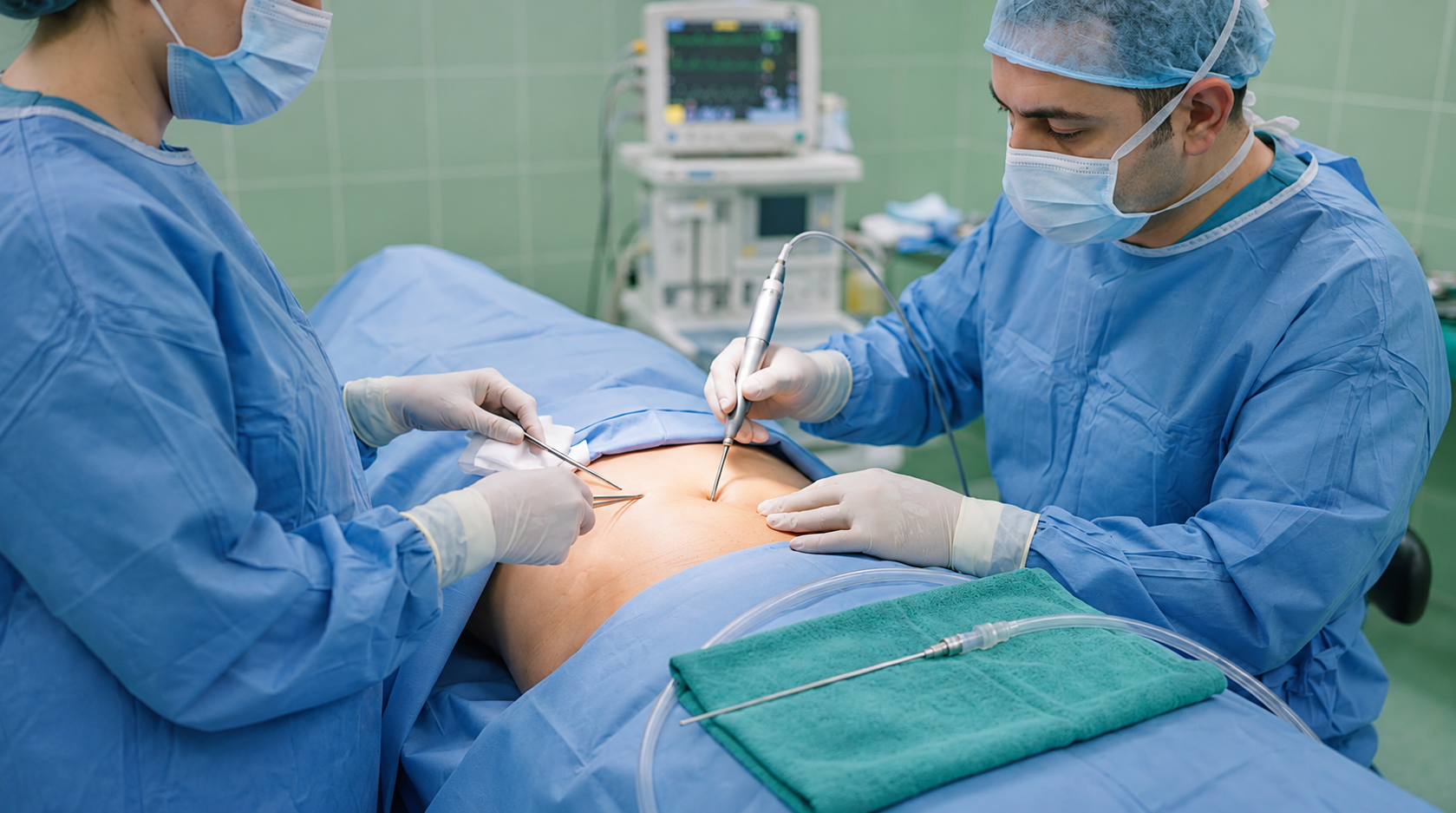 More fat removal isn’t always the answer to a smoother abdominal contour. With vaser liposuction in Turkey, ultrasonic waves loosen targeted fat before it is removed through a thin cannula, while the overall plan can also account for excess skin or areas where added volume may be desired.