 Whatsapp
 Call now

Tummy Tuck Surgery: Things You Should Know Before the Procedure
A tummy tuck (abdominoplasty) is a cosmetic surgery procedure designed to remove excess skin and tighten weakened abdominal muscles to achieve a flatter and firmer abdominal appearance. It is commonly preferred by individuals who experience significant sagging in the abdominal area after pregnancy or major weight loss. However, tummy tuck surgery is also a serious surgical intervention, and making an informed decision requires realistic expectations, medical evaluation, and careful preparation
Table of Contents
ToggleWhat a Tummy Tuck Does — and What It Doesn’t
A tummy tuck is often mistakenly viewed as a weight-loss procedure. In reality, its primary goals are:
- Removing excess skin and tissue
- Tightening weakened or separated abdominal muscles
- Supporting the abdominal wall structure
- Improving the contour and firmness of the abdominal area
Although small amounts of fat may be removed during the procedure, tummy tuck surgery is not a weight-loss operation and does not treat internal or visceral fat. Long-term results depend largely on lifestyle, weight stability, and postoperative care.
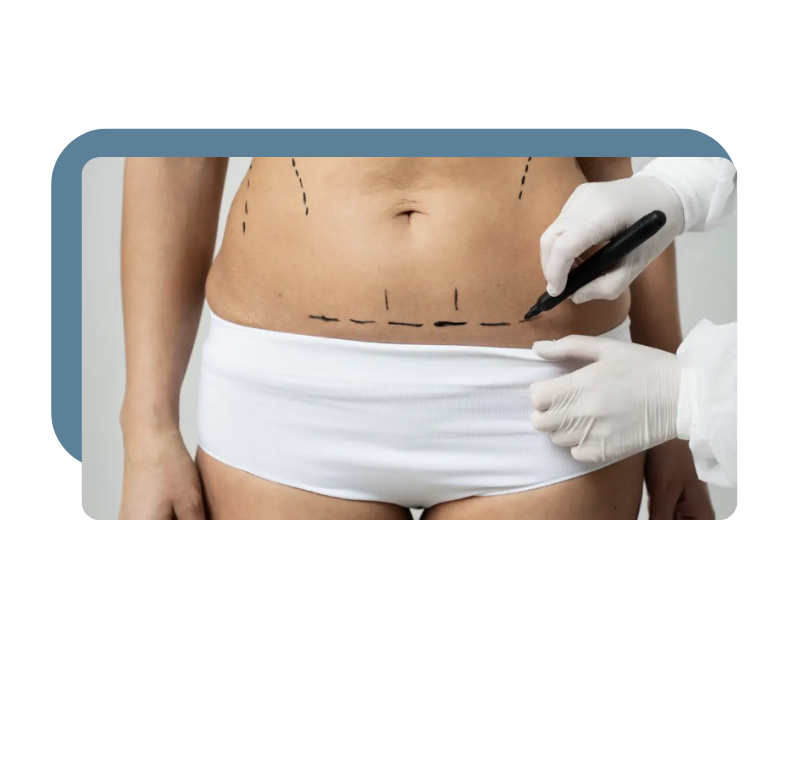
Who Is a Good Candidate for a Tummy Tuck?
Individuals with the following characteristics are generally considered suitable candidates for tummy tuck surgery:
- Body weight that is largely stable
- Noticeable skin laxity or sagging in the abdominal area
- Muscle separation (diastasis recti) after pregnancy
- Overall health status appropriate for surgery
- Willingness to stop smoking prior to the procedure, if applicable
Having realistic expectations is essential for understanding what the surgery can and cannot achieve.
Types of Tummy Tuck Procedures
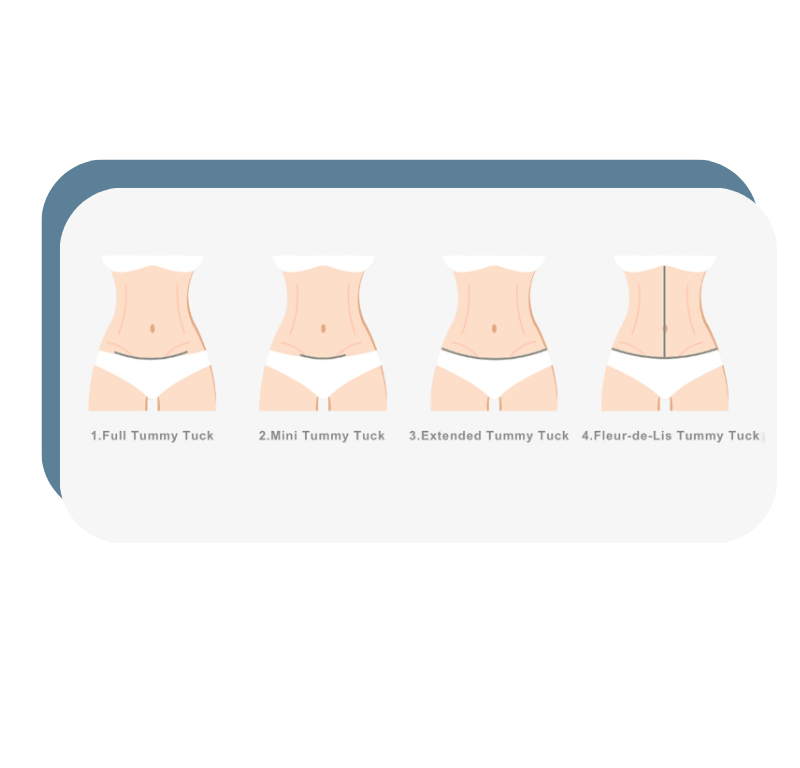
The surgical technique is selected based on the degree of skin laxity, fat distribution, and the condition of the abdominal muscles. Each tummy tuck method is designed to address different anatomical needs and aesthetic goals.
Traditional or Full Abdominoplasty (Full Tummy Tuck):
This is the most commonly performed tummy tuck procedure. It tightens the entire abdominal area by removing excess skin and fat from both the upper and lower abdomen. The abdominal muscles are repaired if separated, and the belly button is typically repositioned to achieve a natural appearance.
Mini Abdominoplasty (Mini Tummy Tuck):
Targets only the lower abdomen below the navel. It is suitable for patients with mild skin laxity and minimal muscle separation. The belly button is not repositioned, and the incision is shorter compared to a full tummy tuck.
Extended Abdominoplasty (Extended Tummy Tuck) :
Recommended for patients with significant skin laxity that extends beyond the abdomen to the flanks or sides of the waist. This technique allows for more comprehensive contouring of the waistline and is often preferred after major weight loss.
Fleur-de-Lis Abdominoplasty:
Designed for patients with both vertical and horizontal excess skin, commonly seen after massive weight loss or bariatric surgery. This technique involves both a horizontal and a vertical incision, allowing for maximal skin removal and improved abdominal contour in multiple dimensions.
Reverse Abdominoplasty:
Focuses on excess skin in the upper abdomen. Instead of a lower abdominal incision, the excess skin is removed through an incision placed beneath the breast fold. This technique is often combined with breast surgery for optimal aesthetic results.
Your surgeon will determine the most appropriate method based on your anatomy, skin quality, muscle condition, and overall treatment goals.
Which Activities Should Be Avoided Before a Tummy Tuck?
Certain habits and activities prior to tummy tuck surgery may increase the risk of complications or negatively affect recovery. For this reason, surgeons generally recommend avoiding the following:
- Smoking and nicotine products: Should be stopped at least 3–4 weeks before surgery, as they impair circulation and delay wound healing.
- Alcohol consumption: May increase bleeding and anesthesia-related risks if used close to the procedure date.
- Blood-thinning medications and supplements: Products such as aspirin, vitamin E, fish oil, ginkgo, or ginseng should only be used with medical approval.
- Intense or high-impact exercise: Excessive physical strain before surgery may increase tissue stress; light walking is preferable.
- Unregulated herbal or nutritional supplements: Some products can increase clotting or bleeding risks.
- Procedures or infections that pose a contamination risk: Dental treatments, skin procedures, or active infections should be reported to the surgeon.
- Crash diets or rapid weight-loss programs: Metabolic instability may negatively affect postoperative healing.
- Irregular sleep and high stress levels: The body should be rested and prepared prior to surgery.
These recommendations are general in nature; final precautions should always be determined according to the surgeon’s personalized evaluation.
Understanding the Recovery Process
During the first weeks after tummy tuck surgery, swelling, tightness, and limited mobility are common. Most patients return to light daily activities within 2–4 weeks, while full recovery may take several months. Wearing a compression garment, attending follow-up appointments, and following wound-care instructions play a key role in the healing process. The scar is permanent but typically fades over time and is placed along the underwear or bikini line.
Nutrition, Movement, and Returning to Daily Activities After a Tummy Tuck
Proper nutrition and a gradual return to daily activities play an important role in supporting the healing process after tummy tuck surgery. Light walking is recommended to support circulation, while strenuous exercise, heavy lifting, and sudden movements should be avoided until the surgeon approves a gradual increase in activity.
A balanced diet rich in protein, vitamins, and fluids supports tissue repair and recovery, while highly processed or excessively salty foods should be limited during the early postoperative period. Returning to work, exercise, and daily routines should always be guided by the surgeon, as recovery timelines vary from person to person.
How to Choose the Right Clinic and Surgeon for a Tummy Tuck
When choosing a clinic or hospital for tummy tuck surgery, patient safety and clinical quality should always be prioritized. Whenever possible, the procedure should be performed in a fully equipped medical facility that meets international health standards and is preferably accredited by JCI (Joint Commission International)
Possible Risks and Complications
As with any surgical procedure, tummy tuck surgery may involve certain risks, including:
- Infection
- Bleeding or blood-clot formation
- Delayed wound healing
- Tissue circulation problems
- Anesthesia-related complications
Choosing an experienced, board-certified plastic surgeon and carefully following medical instructions significantly reduces these risks.
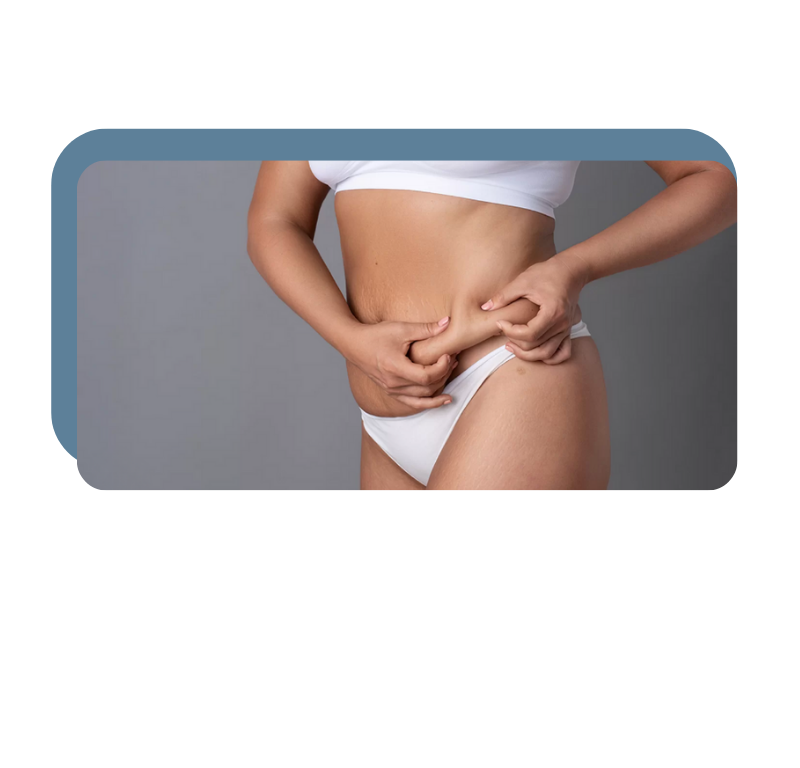
Will a Scar Remain After a Tummy Tuck?
Because tummy tuck surgery is a surgical procedure, a scar is a natural part of the healing process. The incision is usually positioned low on the abdomen, along the bikini or underwear line, so that it can be hidden beneath most clothing. Over time, the scar typically fades and becomes less noticeable, although its final appearance may vary depending on skin type, scar-care practices, and individual healing characteristics.
Pregnancy and Weight Changes After a Tummy Tuck
A tummy tuck does not prevent future pregnancy; however, significant weight fluctuations or pregnancy after the procedure may affect the cosmetic outcome. For this reason, many surgeons recommend undergoing tummy tuck surgery once pregnancy plans are complete and body weight has reached a stable level.
Postoperative Care: Important Considerations After a Tummy Tuck
Following tummy tuck surgery, it is important to carefully follow your surgeon’s instructions to ensure safe and healthy recovery. Key points include medication compliance, protecting the abdominal area from pressure or impact, staying hydrated, avoiding sudden movements and strenuous exercise, using the compression garment as recommended, and attending follow-up appointments regularly. Since healing progresses differently for each patient, all postoperative guidance should be followed under the supervision of your surgeon.
Learn More About Tummy Tuck Surgery!
Tummy tuck surgery can offer effective and long-lasting results when it is performed by an experienced surgeon and supported with proper medical guidance. If you would like to learn more about tummy tuck surgery, discuss your treatment options, or schedule a consultation appointment, you can contact us for further information.