 Whatsapp
 Call now

Lipo 360 recovery: how long healing takes and what helps
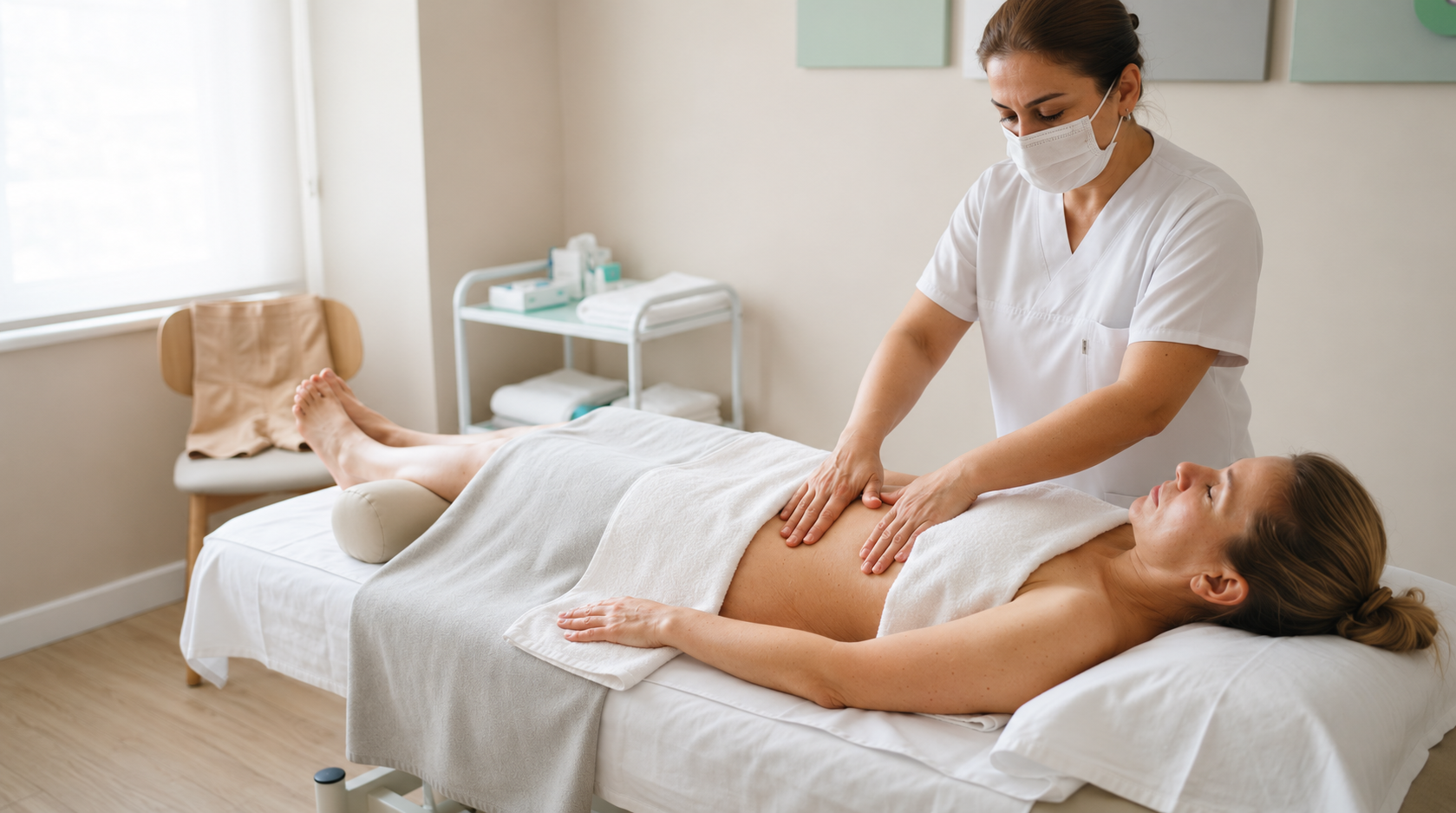 Lipo 360 recovery is measured in months, not just days: full recovery can take about six months, while swelling may take six months to a year to resolve. Knowing the 360 lipo recovery essentials can help you plan for the gradual changes, from early soreness and compression to the longer wait for your final contour.
It’s natural to want a clear timeline, especially when arranging time away from work or planning travel home after surgery. Healing doesn’t follow a single schedule, so it helps to know what may happen at each stage and which symptoms need medical attention.
This guide explains what recovery may involve, including compression garments, bruising and swelling, lymphatic drainage massage, activity, and flying home after treatment in Turkey. You’ll have a clearer sense of how to prepare and what questions to discuss with your surgical team.
The American Society of Plastic Surgeons recommends monitoring pain, swelling, and bruising during the first week after liposuction. Contact your surgical team about symptoms that worsen instead of gradually improving. A temperature over 38°C after liposuction is a reason to seek immediate medical care.
Early bruising often fades within weeks, but deeper swelling can take six months to a year to resolve completely. The treated area may therefore continue changing after soreness eases. Keep follow-up appointments, describe new symptoms clearly, and ask the team to assess changes in firmness or swelling before increasing activity.
Even as bruises fade gradually after two to three weeks, a surgeon quoted on the page says swelling and bruising commonly improve around the third week. Lipo 360 patients may still experience significant swelling during the first six weeks. Certain movements can remain uncomfortable for about a month, even after significant soreness has subsided. Continue taking prescribed pain medication and antibiotics on schedule, and keep tracking symptoms through the first week, as the American Society of Plastic Surgeons recommends monitoring pain, swelling, and bruising then.
3. How Long is the Recovery Process for Lipo 360?
Lipo 360 recovery unfolds in stages, and activity should increase gradually as healing progresses. On the day of surgery, brief, gentle walks support circulation; during the first 24 hours, keep movement limited and avoid strenuous tasks. Short walks around the home every few hours can help maintain movement without adding unnecessary pressure to treated tissues.
During the first week, keep up light walking and avoid lifting or vigorous activity. Afterward, gentle walks remain useful, but wait until movement feels comfortable before taking longer outings. Aim for steady mobility, not exercise intensity. Stop and rest if walking increases discomfort or pulls at the treated area.
Depending on the scale of the procedure, light exercise can often resume around week three or four. Start with low-impact movement, such as an easy walk, and increase duration before intensity. Light cardio may be appropriate around one month after surgery. Avoid high-impact exercise while sensitivity remains, as repeated pressure and bouncing can aggravate healing tissues.
Exercise restrictions are commonly lifted around six weeks after liposuction, but more rigorous workouts may remain restricted for six to eight weeks. Reaching six weeks doesn’t automatically mean every workout is suitable. Start with controlled exercises at lower intensity. Heavy lifting and high-intensity interval training are commonly postponed until six weeks after liposuction.
Return to work depends partly on the demands of the role. Desk-based work may be possible around 7-10 days after liposuction, while Lipo 360 patients often need 10-14 days before returning to desk work. Physically demanding work can require 3-4 weeks away. Plan breaks for walking and changing position rather than staying seated for long periods.
- First week: Keep to gentle walking; avoid lifting and vigorous activity.
- Weeks three to four: Introduce light exercise when movement is comfortable.
- Weeks six to eight: Progress toward more demanding workouts as restrictions ease.
- After three months: Many patients return to their full exercise routine.
Treat this timeline as a gradual progression, not a test to pass. If a movement increases pain, swelling, or pressure around the treated area, return to the previous activity level. Follow-up assessments help determine whether tissues are ready for more demanding exercise. The final contour can take four to six months to become visible, so exercise progress and visible results follow different timelines.
4. Lymphatic drainage massages and fluid removal
Lymphatic drainage massage may form part of the recovery plan after Lipo 360, but its start date varies. Some plastic surgeons begin sessions the day after the procedure and continue several times each week for two months. Other guidance places the first session after the first week, with the surgeon’s approval. Incision healing helps determine the safe timing.
There is also guidance to delay massage until incisions have fully closed, usually 10-14 days after liposuction. These timelines differ, so don’t treat the earliest suggested start as a universal rule. The key step is to have the surgical team assess the incision sites and advise when massage can begin.
Manual lymphatic drainage uses gentle, directed techniques rather than forceful pressure on recently treated tissue. Tell the therapist which areas were treated and whether you still have dressings or drains. Massage should follow your post-operative plan, not replace a wound check or an appointment with the surgical team.
Surgical drains serve a separate purpose: they allow fluid to leave the operated area. After Lipo 360, drains are usually kept in place for a few days to a week, and may sometimes remain for up to two weeks. Their timing depends on the surgical plan and fluid output. Follow the instructions for caring for the drain, recording output, and attending removal or review appointments.
Massage frequency also needs a clear plan. Some surgeons recommend several sessions each week for two months, while other plans start later or follow a different schedule. The number and timing of sessions should reflect the procedure, incision healing, and your surgeon’s instructions. Your healthcare team can explain how massage fits with compression and routine follow-up.
- Before the first session: Confirm that the incision sites are ready and that massage has been approved.
- During treatment: Use the technique and pressure specified for post-surgical care, not deep or painful massage.
- With drains in place: Keep the drain secure and follow the care instructions provided by the surgical team.
- At follow-up: Report changes in fluid drainage, tenderness, or swelling before continuing the same schedule.
If you’re travelling to Turkey, coordinate massage appointments and drain reviews around your post-operative schedule. Don’t let a planned session delay an incision assessment or drain check. The sequence is straightforward: surgical review first, approval for massage next, then sessions according to the agreed timeline.
5. When is it safe to fly home after surgery?
There isn’t one flight date that suits every Lipo 360 patient. For standalone liposuction in Turkey, a stay of 5 to 7 nights is commonly advised, subject to recovery assessment. More extensive combinations involving a tummy tuck may require 10-12 nights for drain checks and an individual fit-to-fly assessment. Plan your return around clinical reviews, not only your flight booking.
Before travel, ask the surgical team to assess your healing, incision care, and any drains. Share your flight details and ask what to do if symptoms change after leaving Turkey. For a long-haul journey, move your legs frequently and, when safe, stand or walk about every 1-2 hours. Follow the instructions you receive for compression and movement during travel.
Showering is typically restricted for 24-48 hours after surgery unless your physician advises otherwise. Baths and pools are commonly avoided for at least 4 weeks after liposuction. Keep incision care aligned with the written instructions, and ask about a shower if dressings or drains affect your routine. Don’t assume that feeling well means every activity is safe.
Pack for the first 24-48 hours of recovery, then add supplies for at least one additional day in case of delays or slower healing. Include comfortable clothing, prescribed medicines, wound-care items specified by your team, and copies of your post-operative instructions. Keep essential items accessible during the journey rather than packed in checked luggage.
For your arrival in Turkey on surgery day, follow the arrival time and check-in directions provided by the surgical team. Bring the identification and medical information requested for admission, and raise questions about medication, allergies, or alcohol before the procedure. Some surgeons recommend starting an anti-inflammatory diet a few weeks before liposuction. Discuss food choices and dietary restrictions during pre-operative planning.
Seek immediate medical care for a temperature over 38°C after liposuction. Before leaving Turkey, make sure you know how to reach your surgical team with recovery questions and which facility to attend if urgent assessment is needed. If pain, swelling, or drainage changes during travel, use the instructions provided rather than waiting for your next planned appointment.
Planning liposuction in Turkey involves both the procedure and the recovery journey. Review the liposuction care pathway as you prepare your surgery and return travel arrangements.
Mydora Health Care
Mydora Health Care helps international patients plan plastic surgery in Turkey, taking recovery and travel considerations into account. If you’re considering how healing may affect your return journey, the team can discuss your questions during treatment planning and explain the recovery information relevant to your situation.
This can help when coordinating surgery with work, travel, or other procedures. Mydora Health Care also offers procedures such as a tummy tuck and Mommy Makeover, which may involve different recovery considerations. Your surgical team’s instructions remain central to decisions about activity, follow-up, and flying home.
Contact Mydora Health Care to discuss planning your treatment and recovery in Turkey.
Plan your recovery with confidence
Use the 360 lipo recovery essentials in this guide to shape a practical conversation about your priorities, travel arrangements, and support during healing. A thoughtful plan makes room for questions that are specific to you, including how recovery may affect your routine and what guidance you’ll need before returning home.
For patients considering plastic surgery in Turkey, Mydora Health Care can discuss treatment planning and the practical considerations of an international patient journey. Share your questions to clarify the next steps and how they align with your goals. Your recovery plan should support both your procedure and the life you’re returning to.
Contact Mydora Health Care today to discuss your plans. With clear information and considered preparation, you can approach the journey ahead with greater confidence.
Frequently Asked Questions
How Long is the Recovery Process for Lipo 360?
Recovery can take about six months, while the final contour may become visible four to six months after surgery. These milestones describe different aspects of healing: daily comfort can improve before swelling fully settles or the result becomes clear. When planning, distinguish returning to routine activities from judging the final shape. Changes in appearance during recovery don’t, by themselves, indicate the finished contour.
When Can I Walk Around After Lipo 360?
Gentle walking can begin on the day of surgery, with brief walks around home every few hours. Keep the pace easy and the route clear, such as walking between rooms rather than going on a long outing. During the first week, walking supports regular movement, but lifting and vigorous activity should wait. If you feel less steady or discomfort increases, pause and follow your post-operative instructions.
When can I resume the gym?
Light exercise can usually restart around week three or four, while more rigorous workouts are restricted for six to eight weeks. Return to the gym gradually: start with low-impact activity, then build intensity as recovery progresses. Many patients return to their full exercise routine after the first three months. Don’t treat your first gym visit as a test of strength; begin with controlled movements.
When can I return to work?
Desk work often resumes around 10-14 days after Lipo 360, while physically demanding work may require 3-4 weeks away. Consider what your workday involves: sitting for long periods, frequent bending, or lifting can place different demands on recovery. If you work remotely, a shorter first day with breaks may be easier to manage than immediately returning to a full schedule.
When is it safe to fly home after surgery?
For standalone liposuction in Turkey, a 5 to 7-night stay is commonly advised, subject to recovery assessment. Extensive combinations involving a tummy tuck may call for 10-12 nights for drain checks and an individual fit-to-fly assessment. Before booking your return, include post-operative reviews in your itinerary. The timing depends on your procedure and recovery progress, not just your preferred departure date.
Will I swell more on the flight home?
Swelling can still be present during your flight home, since Lipo 360 swelling may take six months to a year to resolve completely. For a long-haul journey, move your legs frequently and, when safe, stand or walk about every 1-2 hours. Plan an aisle seat if available, so changing position is easier. Follow your surgical team’s instructions for travel and compression.
What essentials should I buy for 360 liposuction recovery?
Start with the items your surgical team specifies, including your compression garment and any supplemental foam. Keep prescribed medication and written post-operative instructions accessible, rather than packing them out of reach. A small recovery bag can hold clean clothing and wound-care items recommended for you. For travel, pack enough supplies for at least one additional day in case of delays or slower recovery.
What compression garment is recommended after 360 lipo, and how long should it be worn?
The recommended garment is selected for your treated areas and fit, with your surgical team’s instructions guiding when to wear and remove it. Schedules vary: continuous use may be advised for the first three to six days, while some plans continue garment use for about eight weeks. A customized garment may be recommended for four to eight weeks. Bring it to follow-up appointments if its fit changes as swelling shifts.