 Whatsapp
 Call now

Lymphatic Drainage Massage After BBL in Turkey: What to Expect
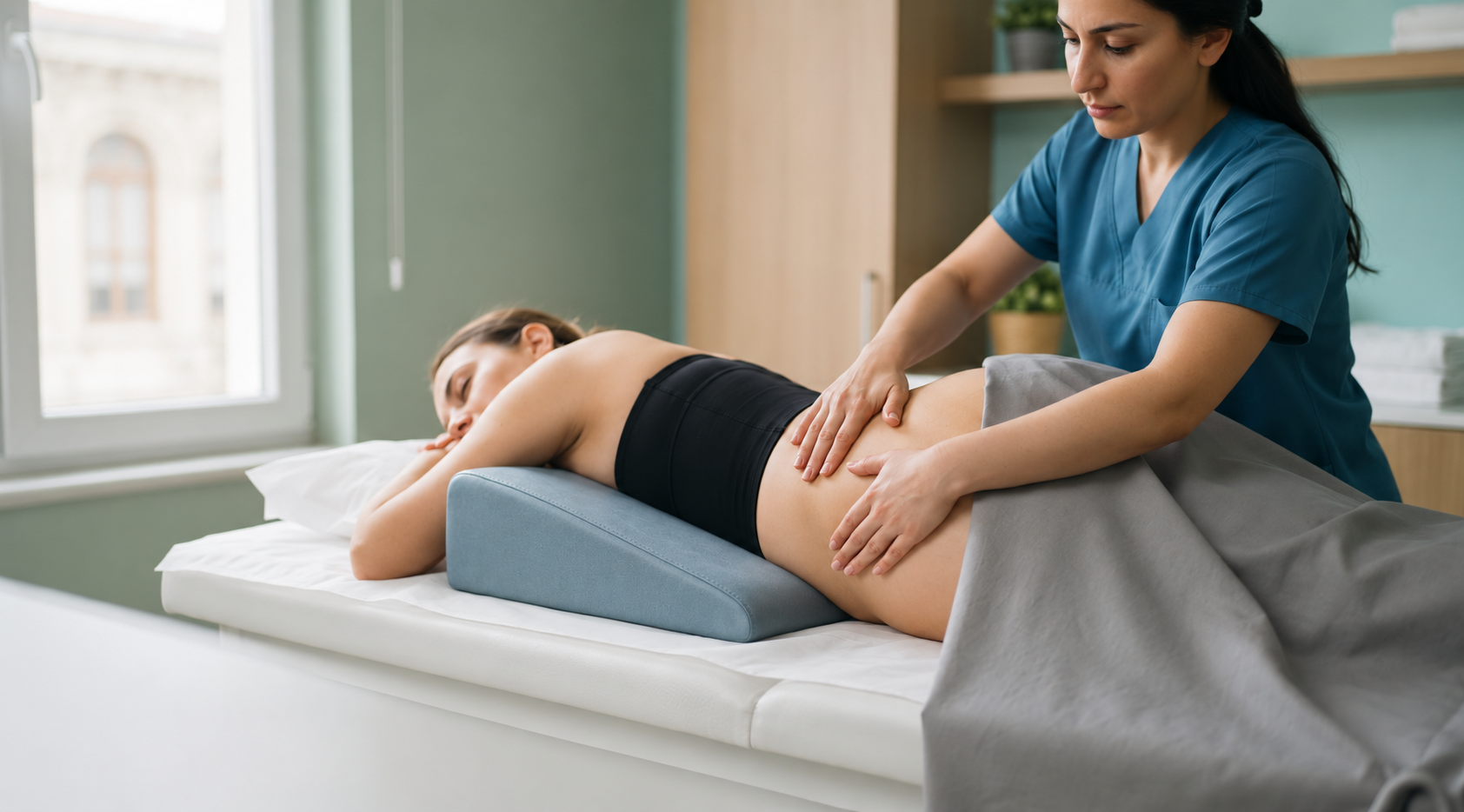 A BBL recovery plan isn’t complete just because massage is scheduled; timing and technique matter. Lymphatic drainage massage after BBL in Turkey is generally considered 3-7 days after surgery, with the surgeon’s approval. Sessions use gentle, controlled movements to encourage fluid drainage, and should avoid open wounds or infected areas.
It’s understandable to want swelling and tenderness to ease while protecting transferred fat. Massage is supportive aftercare, not a way to determine the final surgical result, and it isn’t necessary for every patient. This guide explains what a session involves, what evidence says about lymphatic drainage after cosmetic surgery, and how it may fit after procedures such as BBL, liposuction, and tummy tuck. You’ll also learn how clinicians consider timing, technique, and session frequency, so you can approach recovery with clearer expectations and discuss an appropriate plan with your surgical team.
There is no single start date for every patient. Swelling, wound healing, and the surgeon’s examination all affect whether massage is appropriate. A wound check 7 to 14 days after surgery can provide an opportunity to discuss starting or continuing treatment. If drains remain in place, their status is another factor the clinical team considers.
The price of lymphatic drainage massage after BBL in Turkey depends on the case, number of sessions, and treatment setting. The number of visits and areas treated can affect the total cost.
In Turkey, patients can seek a professional massage therapist or physiotherapist trained in postoperative lymphatic care. According to University Health Network, manual lymph drainage should be performed by a trained Combined Decongestive Therapist. The technique should follow the surgical team’s instructions.
Postoperative instructions commonly cover surgeon-approved massage, compression garments, and suitable sitting positions after BBL. Follow the surgeon’s specific guidance on sleeping positions, since protecting the operated area during healing is the key concern. Garment and positioning instructions are part of aftercare, not a substitute for careful massage technique.
Evidence for lymphatic drainage after cosmetic surgery
A 2026 systematic review associated manual lymphatic drainage with better swelling outcomes after cosmetic body surgery. In the reviewed protocols, treatment began on days two to five and included 6 to 12 sessions. These findings describe study outcomes, not a universal schedule for every BBL recovery. Surgical areas, healing progress, and the surgeon’s plan still shape clinical decisions.
Evidence also varies by procedure. A scoping review found lymphatic drainage was the most commonly studied postoperative therapy in abdominoplasty rehabilitation, appearing in 41.7% of studies. That figure describes how often researchers studied the therapy, not its success rate. Evidence from tummy tuck recovery also cannot automatically establish the best approach for breast surgery or gluteal fat transfer.
A 2026 experimental study reported that sustained pressure of 6 to 12 mmHg disrupted the nutrient-diffusion network in large-volume fat grafts. This finding supports caution around pressure on transferred fat, but it does not compare massage devices or establish a safe pressure for BBL treatment. The practical distinction is important: lymphatic work should not become forceful compression over the grafted area.
The available findings do not show that either manual or machine-assisted treatment is safer for every BBL patient. The cited evidence concerns manual drainage and does not establish a head-to-head safety advantage for either approach.
The operating surgeon’s approval is essential before massage begins. The surgeon can consider the procedure, incision and wound status, swelling, and healing progress. A clinic should follow those instructions rather than use a routine designed for another operation. Compression garments and massage are separate parts of recovery; one does not replace the other.
Therapist training matters because postoperative drainage requires gentle, controlled handling. According to University Health Network, manual lymph drainage should be performed by a trained Combined Decongestive Therapist. For BBL, the therapist also needs to follow the surgeon’s limits on treated areas and pressure. A general relaxation massage is not the same as a postoperative lymphatic technique.
- Confirm approval: Start only after the surgeon has approved treatment.
- Protect healing tissue: Avoid open wounds and areas with infection.
- Use gentle technique: Stop if severe pain, burning, or excessive tenderness occurs, and tell the surgeon promptly.
- Keep garment instructions separate: Follow the prescribed compression plan without adding pressure through massage.
These precautions apply across cosmetic surgery, but the treatment area changes the considerations. Breast surgery, abdominoplasty, and BBL involve different tissues and pressure concerns. The medical team’s postoperative plan should guide the technique, timing, and areas treated.
Lymphatic massage after liposuction, tummy tuck, and BBL
Lymphatic drainage may support recovery after liposuction, tummy tuck, or BBL, but its role differs by procedure. After liposuction, gentle treatment may help move accumulated fluid and ease swelling in treated areas. It’s an optional part of postoperative care, not a requirement for every patient or a substitute for compression and surgical instructions.
After liposuction, contouring results depend on the operation and how tissues heal. Massage may help soften areas of firmness or fibrosis, while swelling can temporarily obscure the emerging shape. It cannot remove additional fat or guarantee a smoother contour. The treated zones, skin response, and healing progress all matter when considering whether massage is useful. A liposuction procedure may involve several areas, so the appropriate massage plan follows the specific surgical map.
After a tummy tuck, treatment may focus on abdominal swelling and areas of firmness as healing progresses. The incision and any wound concerns affect which areas can be touched. Massage should not cross open wounds or infected skin. If surgical drains were used, some postoperative protocols schedule drainage massage after their removal. The surgeon’s instructions determine whether that timing applies to an individual recovery.
BBL requires a distinct approach because transferred fat needs protection as it settles. Massage may be considered over liposuction areas, such as the waist or abdomen, but should not be performed on the buttocks. Gentle drainage may help manage fluid and swelling, while aggressive pressure risks putting unnecessary force on healing tissues. Massage supports aftercare; it does not determine how much transferred fat survives or the final shape.
- Liposuction: Consider massage as an optional aid for swelling or firmness in treated areas.
- Tummy tuck: Keep treatment clear of incisions and any area with an open wound or infection.
- BBL: Limit massage to approved liposuction zones and protect the buttocks from direct pressure.
- All procedures: Keep compression garment use and massage within the surgical team’s instructions.
University Health Network says manual lymph drainage should be performed by a trained Combined Decongestive Therapist. That training matters because postoperative massage requires controlled, gentle movements rather than deep-tissue pressure. The therapist should follow the surgeon’s guidance on treated areas and adjust the technique if pain, burning, or unusual tenderness occurs.
Swelling and tissue firmness can change during recovery, so massage frequency may change too. The decision depends on the procedure, areas treated, and the patient’s healing response. When liposuction and BBL are combined, each zone needs separate consideration: the waist may be suitable for gentle drainage, while the buttocks remain protected.
How Many Sessions Are Needed?
After BBL, session plans can range from a short course to several weeks of treatment. The total number, weekly frequency, and appointment length depend on recovery and the areas treated.
Session Number, Frequency, and Duration
A common estimate is 5-15 sessions after BBL, with each appointment lasting 45 to 60 minutes. A 2026 systematic review of cosmetic body surgery reported protocols involving 6 to 12 sessions. These figures describe different treatment plans, not a required course for every patient.
One commonly used schedule includes two or three sessions per week during the second and third weeks. Treatment then tapers to once weekly until about six weeks after surgery. For patients arranging lymphatic drainage massage after BBL in Turkey, this outline can help with planning without requiring daily appointments. The operating surgeon’s plan remains the reference for scheduling.
Some protocols propose 15 to 20 sessions, but there’s no evidence that more sessions produce better results. A longer course isn’t automatically more effective. The value of each visit depends on the treatment area, response, and whether massage remains appropriate during healing. Residual swelling can continue improving for three to six months after BBL, with or without massage.
For combined procedures, massage after liposuction may require a different schedule across treated zones. The waist and abdomen can have different needs from other areas. A plan for lymphatic drainage massage after BBL in Turkey should therefore reflect the specific operation, not aesthetic goals alone.
Factors Affecting Session Frequency
Session frequency depends on swelling, the procedure performed, and the areas treated. A patient with liposuction across the abdomen and flanks may have different needs from someone with a more limited treatment area. The schedule can also change as swelling settles and tissues heal.
Your response after each appointment offers another practical guide. Persistent swelling or firmness may lead to continued treatment within the approved plan. Improving symptoms may support a gradual reduction in frequency. Pain, burning, or excessive tenderness means you should stop massage and promptly inform the surgeon.
Compression garment instructions also affect how appointments fit into recovery. Garment use and massage have separate roles, so one shouldn’t replace the other. A trained therapist follows the surgeon’s instructions about treatment areas and pressure. This keeps the schedule connected to the procedure rather than to a fixed package of visits.
The number of sessions is a planning guide, not a measure of surgical success. Massage supports postoperative care; it doesn’t determine contouring results or transferred-fat survival.
Procedures that may include lymphatic massage
Lymphatic massage may be considered after body procedures that cause postoperative swelling, including liposuction, tummy tuck, and BBL. It is supportive care, not a required step in every recovery plan. The right decision depends on the operation, areas treated, healing progress, and the surgeon’s recommendation.
After liposuction, treatment may focus on areas where fluid accumulates or tissue feels firm, such as the abdomen or flanks. The aim is to support fluid movement and manage swelling, not to change how much fat was removed. Patients having liposuction alone may not need massage. Its role depends on recovery and the clinical plan, not the procedure name alone.
A tummy tuck involves abdominal surgery, so wound location and healing are central to deciding whether massage is suitable. Before treatment, a clinician considers the incision and any open wound or infection. When a tummy tuck is combined with liposuction, the abdominal contour and liposuction zones may need separate consideration. One technique or schedule should not automatically be applied to both procedures.
BBL combines fat transfer with liposuction, making the treatment areas especially important. Massage may be considered over approved liposuction areas, while direct massage on the buttocks should be avoided. This distinction helps protect transferred fat from pressure while addressing swelling in other treated zones. A combined BBL and abdominal liposuction plan therefore needs clear boundaries between areas that may be massaged and those that must remain untouched.
- Liposuction: Massage is an optional supportive measure for swelling or tissue firmness in treated zones.
- Tummy tuck: Incisions and wound healing guide which abdominal areas can be approached.
- BBL: Consider treatment only on approved liposuction areas, not over the buttocks.
- Combined procedures: Each operated area needs its own treatment decision and boundaries.
Don’t assume every aesthetic procedure includes lymphatic massage. A procedure that involves swelling does not automatically make massage appropriate; the plan should reflect the operation actually performed. For example, the BBL plan differs from a tummy tuck plan because fat transfer adds an area that must be protected. The surgeon’s approval is the key step before massage begins.
The Brazilian Butt Lift (BBL) guide explains the procedure’s combination of fat transfer and liposuction, which makes distinguishing treatment zones important when considering postoperative massage.
The need for lymphatic drainage massage varies. It is not necessary for every patient after surgery, and the decision depends on the procedure, swelling, and the surgeon’s recommendation. After BBL, massage should feel gentle and relieving, not painful; session needs vary by patient and procedure.
Mydora Health Care
Mydora Health Care helps international patients explore plastic surgery options in Turkey and understand how procedure planning relates to recovery questions. If you’re considering surgery, the team can discuss options such as a Mommy Makeover, Tummy Tuck, Breast Augmentation, or Breast Lift. Consider questions about lymphatic massage alongside the specific operation and its postoperative plan, rather than as a separate promise of a particular result.
If you’re weighing procedures or preparing for treatment in Turkey, Mydora Health Care can help clarify the next steps for your surgical plans. Contact Mydora Health Care to discuss your questions and plans.
Plan Your Next Step With Confidence
Use your recovery priorities to guide the next conversation about surgery. Consider the changes you hope to achieve, the procedures that may suit those goals, and the support you’ll need while planning treatment in Turkey. These details can connect your surgical choice with practical questions about aftercare, travel, and your individual recovery plan.
MYDORA Health Care supports patients exploring options such as a Mommy Makeover, Tummy Tuck, or Breast Augmentation. If you’re considering lymphatic drainage massage after BBL in Turkey, keep the discussion grounded in your planned procedure and the postoperative instructions from your surgical team. Massage is one part of recovery planning, not a substitute for a personalised surgical care plan.
When you’re ready to discuss your plastic surgery plans, contact Mydora Health Care. A clear conversation can help you take the next step with greater confidence.
Frequently Asked Questions
Can You Massage Your Buttocks After a BBL?
No. Avoid direct massage on the buttocks after BBL, and ask the surgical team to mark which nearby areas may be treated. This distinction is useful when a session includes the waist or abdomen, where treatment boundaries can otherwise be unclear. The therapist should follow the plan for your specific operation rather than use a general full-body massage routine.
Can it damage my BBL?
Forceful pressure on the grafted area can place avoidable stress on healing tissue, so technique and location matter. Massage does not determine the final BBL result, and a session should not be treated as a way to shape or redistribute transferred fat. Before treatment, make sure the therapist understands which areas were liposuction sites and which received transferred fat.
Does it hurt?
The intended sensation is gentle movement, not deep pressure or muscle kneading. If a therapist’s approach feels more like a firm sports massage, explain that you need postoperative lymphatic work. You can ask them to pause or adjust the technique. Comfort is a useful guide during a session, but it does not replace the surgical team’s instructions about treatment areas.
How soon after BBL should I start lymphatic drainage?
There isn’t one date that suits every recovery. The surgeon’s assessment of your operation and healing determines when treatment can begin. If you had liposuction in several areas or another procedure at the same time, mention this when discussing timing. This helps the team identify which parts of your recovery may be ready for massage and which still need protection.
Is it necessary if I feel fine?
No. Feeling comfortable doesn’t mean massage is required, and recovery can progress without additional treatment. The decision depends on your procedure and postoperative plan, not on whether other patients routinely schedule massage. If you have little swelling and massage has not been recommended, follow the care instructions already provided rather than adding treatment without a clear purpose.
Self Lymphatic Massage After a BBL: What Can You Do at Home?
At home, don’t improvise a technique from general massage videos or apply pressure wherever swelling appears. If self-massage is approved, stick to the areas and movements specified by your surgical team. Professional supervision is recommended for postoperative home massage because the right approach differs from ordinary relaxation massage. Clarify the treatment boundaries before attempting any self-care.
What Should Patients Be Careful About?
Pay attention to changes that differ from your expected recovery, including bleeding or a visible change in contour. These need prompt medical attention, not massage. Keep the therapist informed about combined procedures, since a session may involve areas with different treatment limits. Compression garments and positioning instructions should remain part of the prescribed plan, not be changed for convenience during appointments.
When should lymphatic drainage massage start after a BBL?
Start only after the surgical team has assessed your recovery and cleared the treatment. Use your postoperative review as the practical cue, rather than simply having a massage appointment available. Raise the question during your wound review, especially if your operation included liposuction beyond the BBL area. This conversation helps establish whether massage fits your current healing stage and which areas are appropriate.